
Forging Connection in the Woods: A Creative Wellbeing Experience.
Focused Light has recently been awarded a small meaningful grant from the Growing Communities Project at Devon County Council. This funding has and will support the pilot of a creative workshop in blacksmithing and wood whittling at Hakeford Woods in North Devon, a place that feels perfectly suited to the spirit of the project.
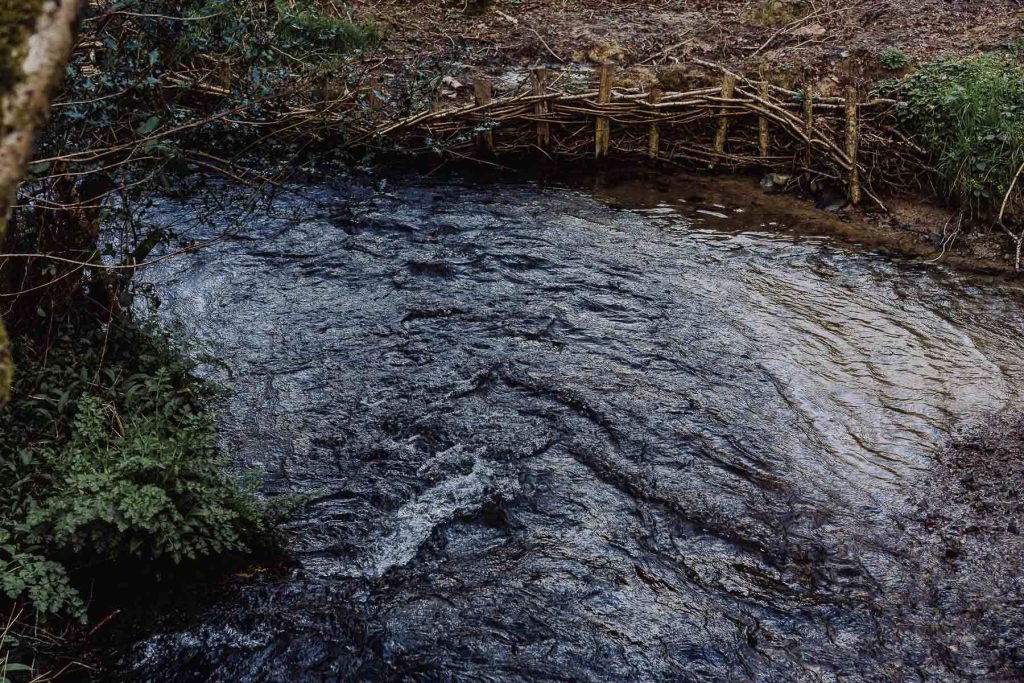
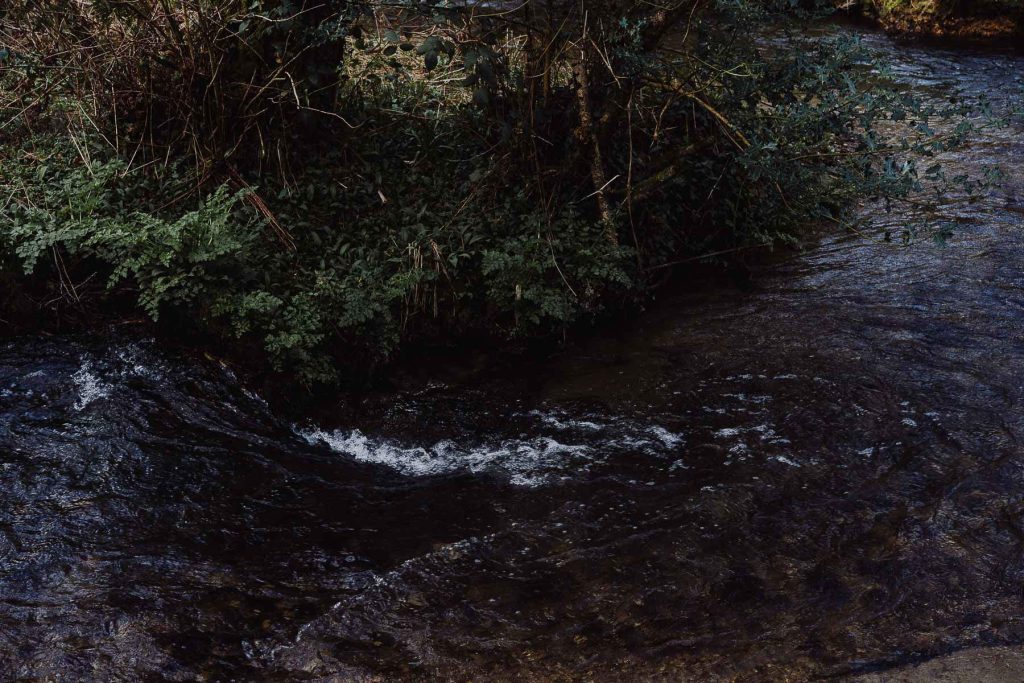
Set just up the road from The Growforward Project at Chelfham and only ten minutes from Barnstaple, Hakeford Woods is a 40-acre haven of trees, wildlife, and carefully nurtured natural spaces. Originally established as a woodland school charity, Hakeford Woods has grown into something far broader: a wellbeing space open to all, alongside its continued commitment to forest management and environmental care. Various community groups now use the woodland to host group meetings and gatherings, making it a living, breathing hub of connection and support.
At the heart of the woods sits a roundhouse, a warm, welcoming structure where people gather to share stew, whittle wood, drink tea, and talk. It is a place of slowing down. A place to observe the shifting light through the trees, listen to birdsong, and feel the grounding presence of nature. There is something profoundly calming about sitting in that circular space, fire gently crackling, knowing you are held by both the woodland and the community around you.
For Focused Light, this setting offered more than just a venue. It offered opportunity. The aim of the pilot workshop was to combine creativity with wellbeing, to give survivors a chance not only to experience practical and physical skills like blacksmithing and wood whittling, but also to be present, to work collaboratively, and to experience a genuine sense of achievement.
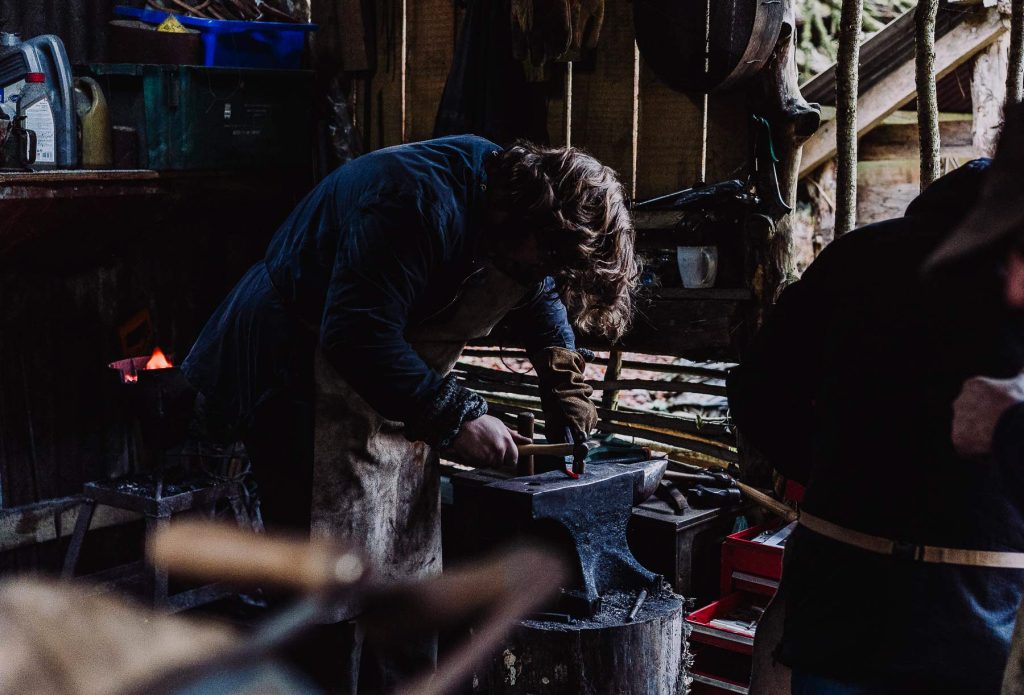
The foundry became a space of focus and energy. Survivors hammered metal, shaped glowing iron, laughed together, and worked with determination. There is something powerful about blacksmithing, the rhythm of the hammer, the transformation of raw material under heat and effort, the visible evidence of progress.







Growing Communities Funding – Supporting Local Survivors
While this creative work unfolded in the foundry, a parallel process was taking place in the roundhouse. My plan had been simple: prepare the fire, make coffee, chop vegetables for the stew we would share at lunchtime. But what unfolded was far richer.
Another survivor joined to help with the preparation, they wanted to remain in the woodland space, connect quietly, tend the fire, and help prepare the soup. Together, we gathered wood, nurtured the flames, chopped vegetables, stirred pots, and shared conversation.
The roundhouse felt safe and peaceful, nestled within the trees. Preparing food became its own creative act. Keeping the fire going by ensuring there was chopped wood to feed the flames. Making sure the kettle was over flames. There is community in making coffee for everyone else, in sharing small tasks, in working without pressure. It became clear that we were not simply supporting the creative process, we were part of it.
Two parallel activities unfolded that day: metal being forged in fire, and food being prepared over flame. Survivors shaping iron; others shaping a shared meal. Both required patience. Both required attention. Both contributed to the same aim, bringing survivors together to build community, break isolation and connect.
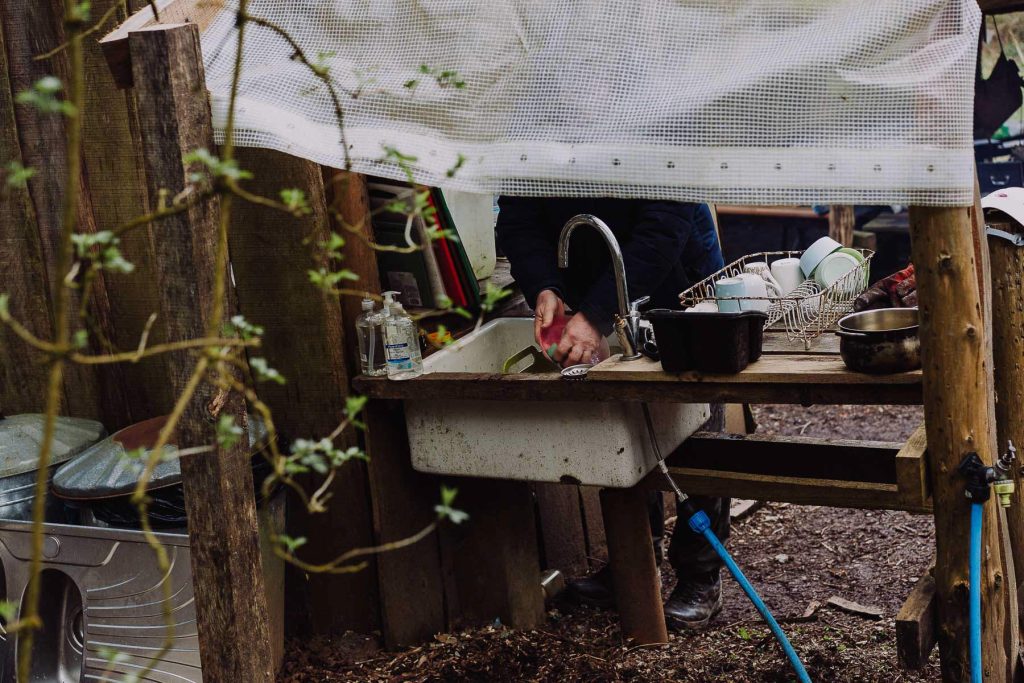
When lunchtime arrived, the two strands wove back together. The group gathered in the roundhouse, hands washed, faces grubby from the forge and smoke of the fire. Bowls of stew were shared, bread was shared and coffee was poured. There was laughter, conversation, and a tangible sense of achievement. Participants could hold the objects they had made, visible evidence of their effort, while also enjoying the food prepared collectively. The meal became more than sustenance; it was the moment of reconnection.
What felt especially powerful was the recognition that contribution takes many forms. Some participants thrived in the intensity of the foundry. Others found purpose in tending the fire and preparing nourishment. No role was lesser. Each was necessary. Each fed into the wider intention of Focused Light: to create spaces where survivors can connect, create, and rebuild a sense of belonging.
Building Community Through Shared Meals and Shared Purpose
The pilot workshop demonstrated that creativity and wellbeing are deeply intertwined. Working with natural materials in a natural setting amplifies that effect. The woodland itself became a quiet collaborator, offering calm, containment, and inspiration.
This small grant has enabled something far bigger than a workshop. It has allowed Focused Light to explore how creative practice in a supportive, nature-based environment can foster resilience and connection. It has shown that healing spaces do not always look clinical or structured. Sometimes they look like sparks flying from hot metal. Sometimes they look like steam rising from a pot of stew. Sometimes they sound like laughter echoing through trees.
As the day closed and tools were packed away, there was a shared sense that something meaningful had taken place. Not just objects forged or soup consumed, but relationships strengthened, confidence built, and community nurtured.
In the heart of Hakeford Woods, around fire and forge, Focused Light witnessed what happens when creativity, nature, and human connection meet: survivors not just participating, but belonging.


